
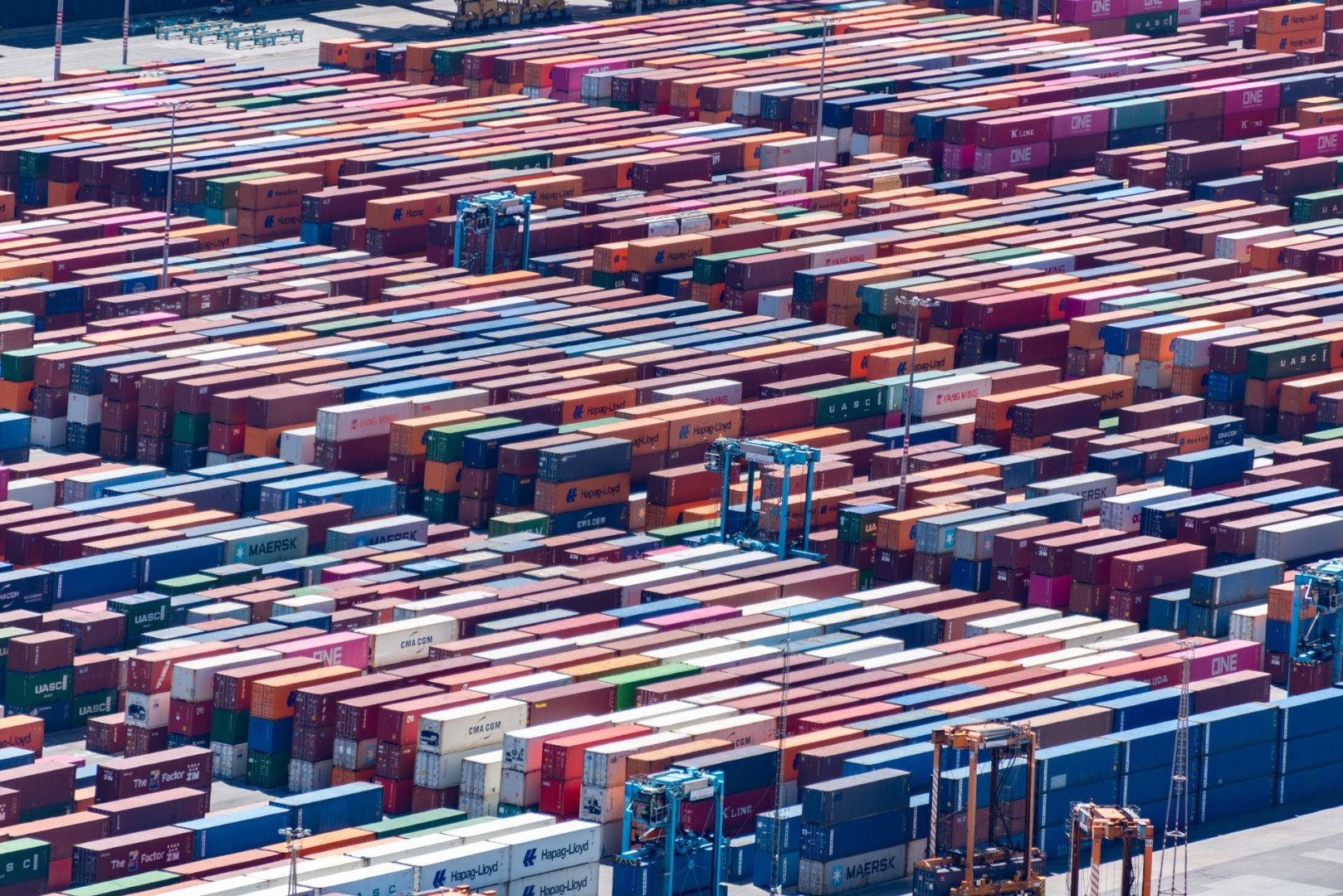
The past few years have laid bare the fragilities of highly optimized, just-in-time global supply chains. From the initial shock of the pandemic-induced lockdowns to geopolitical tensions and energy crises, disruptions have become the new normal. These events have not only exposed vulnerabilities but have also triggered a fundamental re-evaluation of how goods are sourced, produced, and distributed worldwide, leading to significant economic ramifications.
One of the most immediate and pervasive impacts of these reconfigurations has been on global inflation. Higher shipping costs, port congestion, labor shortages, and increased input prices due to sourcing challenges have all contributed to rising consumer prices. For corporations, these disruptions have translated into reduced profitability margins, as companies either absorb higher costs or pass them on to consumers, often at the risk of demand destruction. Inventories, once lean, are now being built up as a buffer against future shocks.
In response, businesses are actively pursuing strategies to enhance resilience. This includes 'friend-shoring' or 'near-shoring,' where production is moved closer to home or to politically aligned countries, reducing reliance on distant and potentially unstable regions. Diversification of suppliers, investment in automation, and the adoption of advanced logistics technologies are also gaining traction. The goal is to create more robust, albeit potentially more expensive, supply networks.
The long-term implications are profound. We are likely to see a shift towards more regionalized manufacturing hubs, potentially altering established global trade patterns and increasing production costs for certain goods. While this may lead to higher prices for consumers in the short term, the benefit lies in greater supply security and reduced susceptibility to external shocks. The era of hyper-globalization in supply chains appears to be giving way to an era of resilience and strategic independence.