
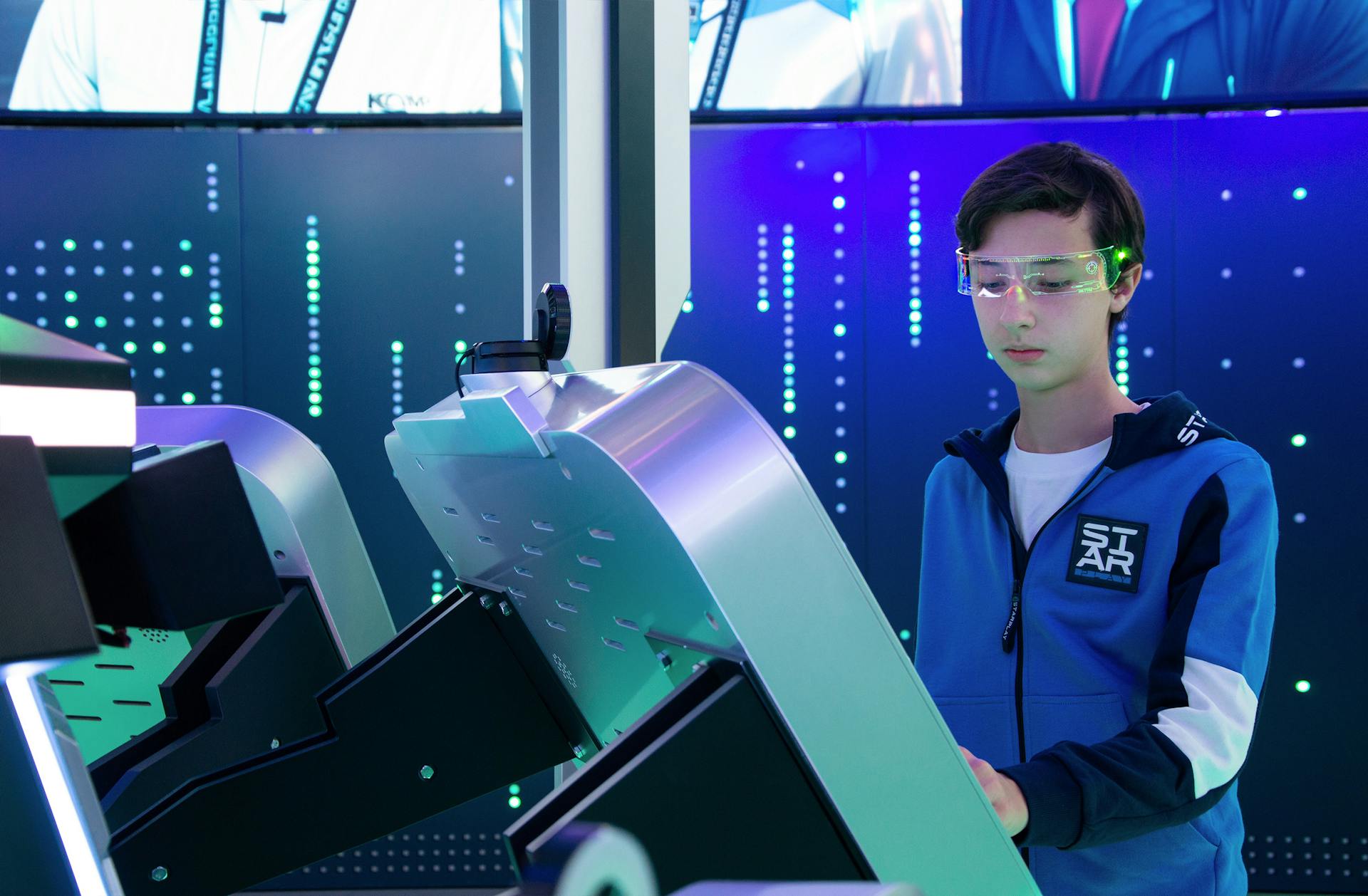
Augmented reality (AR), the technology that overlays digital information onto the real world, is rapidly shedding its image as a futuristic gimmick. While its initial splash came through gaming phenomena, AR is now poised to become an integral part of our daily lives, transforming how we work, learn, and interact with our environments. The convergence of powerful mobile processors, advanced sensors, and increasingly sophisticated software is bringing this once-niche technology to the forefront of consumer electronics and enterprise solutions globally.
The shift is driven by a new generation of more discreet and comfortable AR devices, moving beyond bulky headsets to sleeker smart glasses and even direct integration into smartphones and tablets. These devices enable a wide array of practical applications. In retail, AR allows customers to virtually try on clothes or place furniture in their homes before purchase. In education, it offers immersive learning experiences, bringing textbooks to life with interactive 3D models. For navigation, AR overlays directions onto the real world, making city exploration effortless.
Beyond consumer applications, AR is proving to be a game-changer in various industries. Field service technicians can use AR glasses to access repair manuals or receive remote assistance from experts, reducing downtime and improving efficiency. Manufacturing plants are leveraging AR for training, quality control, and assembly guidance, minimizing errors and speeding up production cycles. The ability to visualize complex data in real-world contexts is unlocking new levels of productivity and safety across numerous sectors.
While challenges remain, including battery life, content creation, and user adoption, the trajectory for AR is undeniably upward. Major tech companies are investing heavily in the ecosystem, signaling a strong belief in its long-term potential. As the technology matures and becomes more seamlessly integrated, augmented reality is set to redefine our relationship with digital information, making it a natural extension of our physical world and enhancing human capabilities across a multitude of global contexts.