
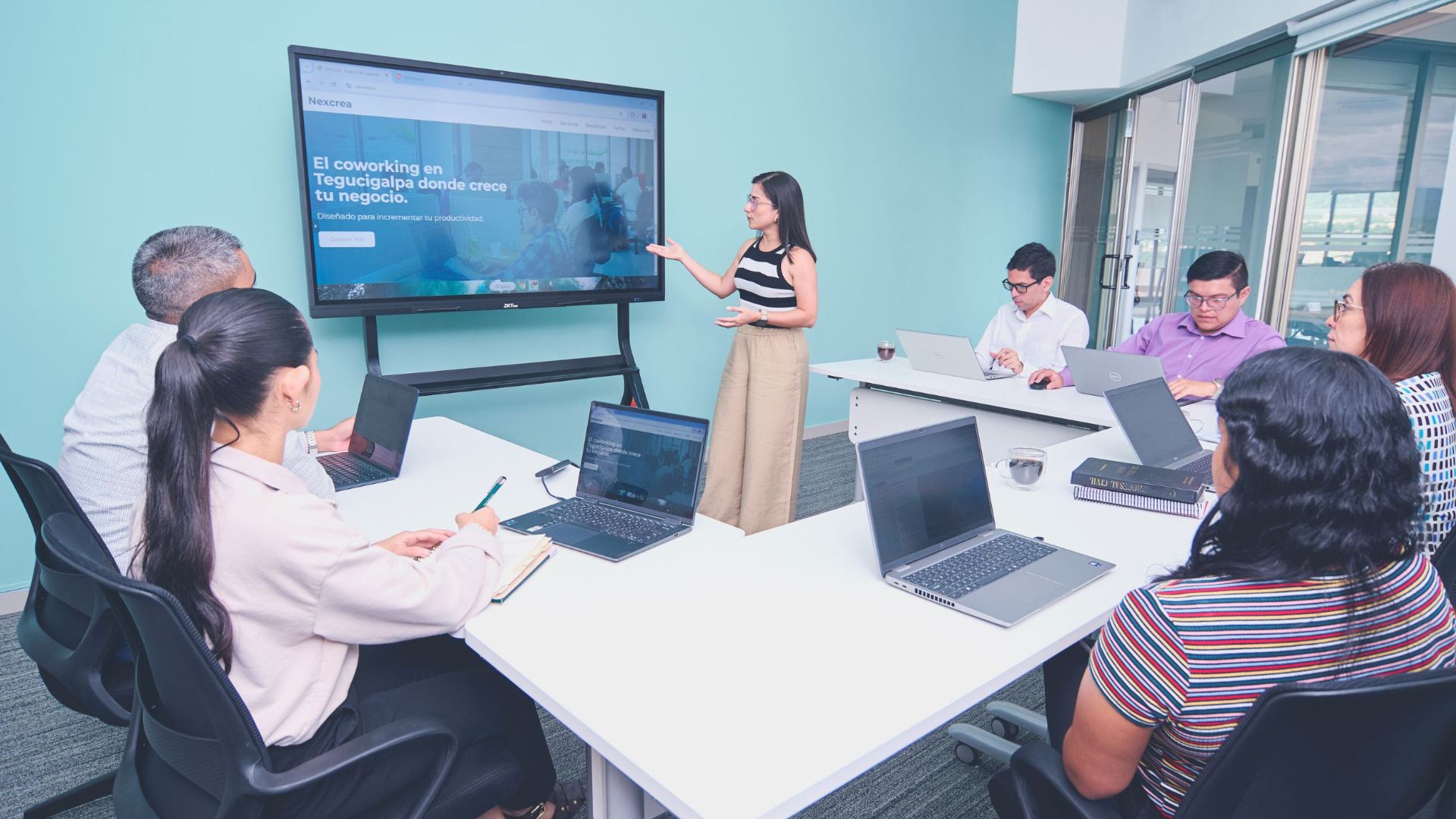
The traditional office model is undergoing a profound transformation, giving way to what is now widely known as the 'blended workforce.' This new paradigm integrates remote, hybrid, and in-office working arrangements, creating a complex but flexible ecosystem that demands innovative technological solutions. Companies worldwide are grappling with how to maintain cohesion, foster culture, and ensure productivity across teams that may be dispersed across continents and time zones, making seamless collaboration tools more critical than ever.
At the heart of this shift are advanced communication and collaboration platforms. Beyond standard video conferencing, new tools are emerging that offer immersive virtual meeting spaces, asynchronous communication channels for different time zones, and project management software designed for distributed teams. These technologies aim to replicate the spontaneity and effectiveness of in-person interactions, allowing for real-time problem-solving, creative brainstorming, and efficient information sharing, regardless of physical location.
However, the transition to a blended workforce is not without its challenges. Companies must address issues like digital fatigue, ensuring equitable access to technology, and fostering a sense of inclusion among employees who may rarely meet in person. Cybersecurity also becomes a more complex concern with a larger, more distributed attack surface. Successful organizations are investing not only in technology but also in new leadership training and policies that support this evolving work structure.
Looking ahead, the blended workforce is likely to become the standard for many industries, driven by employee demand for flexibility and organizational benefits like access to a wider talent pool. The ongoing innovation in collaboration technology, coupled with a focus on employee well-being and strategic cultural initiatives, will be key to unlocking the full potential of this global shift. Technology is not just enabling remote work; it is fundamentally reshaping how we define and experience 'work' itself on a global scale.