
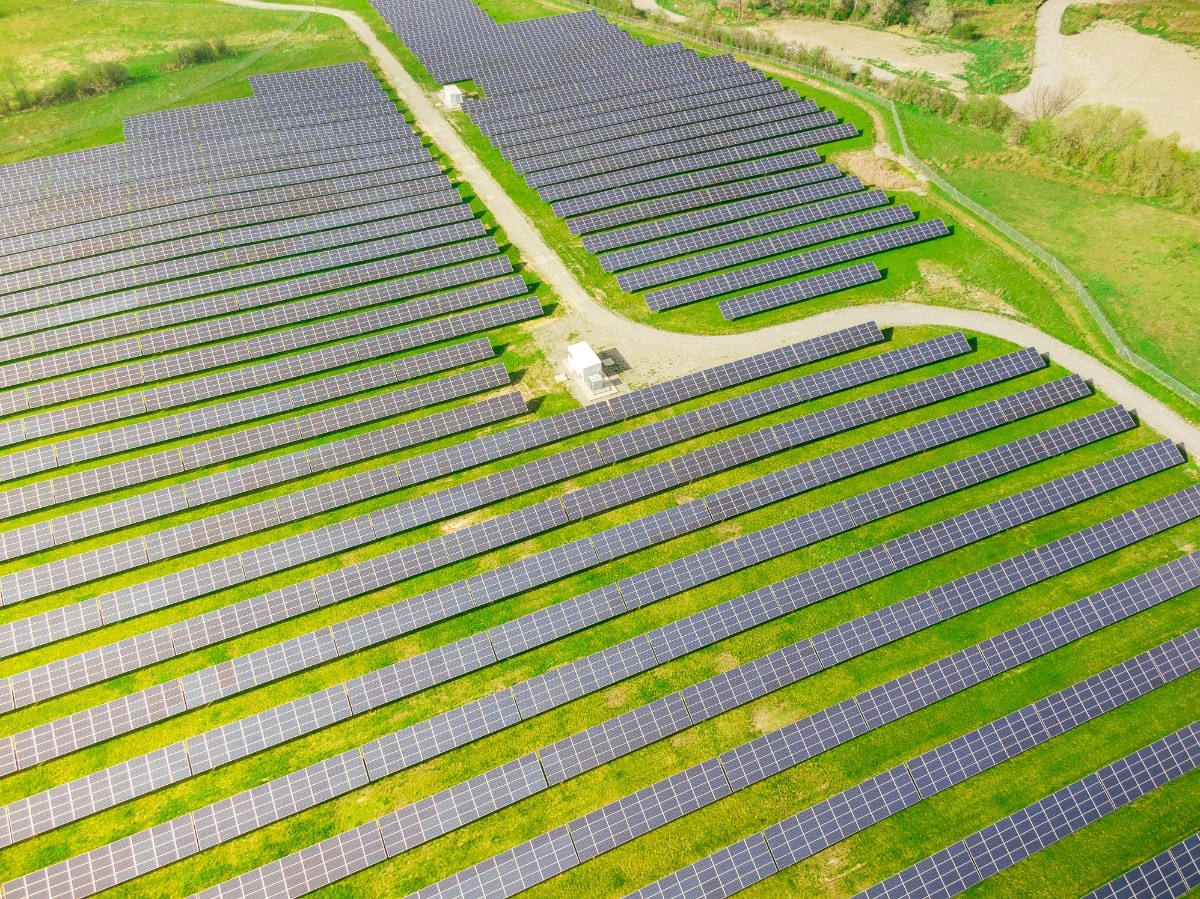
The global energy landscape is undergoing a monumental transformation, with unprecedented levels of investment flowing into renewable energy sources. Driven by ambitious climate targets, rapid technological advancements, and a renewed focus on energy security, countries and corporations worldwide are accelerating their transition away from fossil fuels. Solar, wind, and battery storage technologies are becoming increasingly cost-competitive, making green energy not just an environmental imperative but also an economic one, fostering job creation and industrial innovation.
Governments are playing a crucial role through supportive policies, subsidies, and regulatory frameworks designed to incentivize renewable energy projects and disincentivize carbon-intensive industries. International cooperation is also intensifying, with agreements aimed at sharing technology and financing to help developing nations leapfrog traditional energy infrastructure. This collaborative effort is essential for achieving global emission reduction targets and ensuring a just transition that benefits all regions.
However, the transition is not without its challenges. Issues such as grid modernization, securing critical minerals for battery production, and managing the intermittency of renewable sources require significant innovation and coordinated effort. Despite these hurdles, the momentum towards a greener energy future is undeniable. The coming decades will see a continued reshaping of energy markets, with profound implications for global trade, geopolitical stability, and the long-term sustainability of our planet, marking a new era of energy independence and environmental stewardship.