
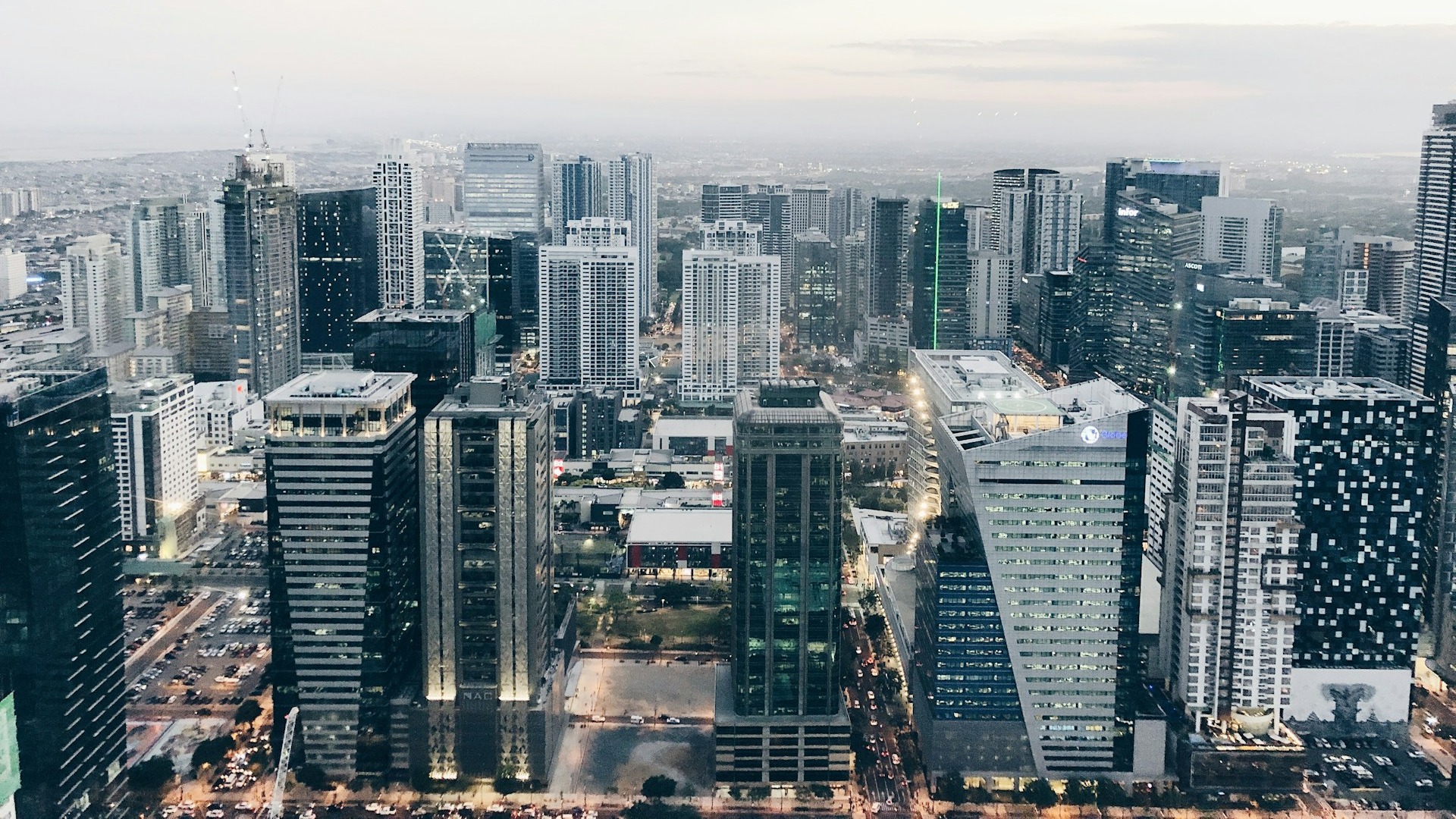
The global real estate sector is navigating a period of significant adjustment, primarily driven by rising interest rates and the fundamental shift in how people work. Commercial property markets, particularly office spaces in major urban centers, are grappling with reduced occupancy rates as hybrid work models become the norm. This has led to a re-evaluation of asset valuations and a push for landlords to innovate, offering more flexible layouts, enhanced amenities, and sustainable building features to attract and retain tenants in a competitive environment.
On the residential front, higher borrowing costs are impacting affordability and cooling previously red-hot housing markets in many parts of the world. While demand remains robust in some segments, particularly for properties that offer more space or access to nature, the overall momentum has slowed. Developers are cautiously assessing new projects, considering factors like population growth, urban planning trends, and the long-term implications of demographic shifts. The focus is increasingly on building resilient, energy-efficient, and community-centric housing.
Investment flows into real estate are also adapting. While traditional assets face headwinds, sectors like logistics, data centers, and specialized healthcare facilities continue to attract strong capital, driven by e-commerce growth and an aging global population. The long-term outlook for real estate will depend on how effectively the industry can adapt to these structural changes, embracing sustainability, technology, and evolving consumer and corporate needs to redefine the purpose and value of built environments across the globe.