
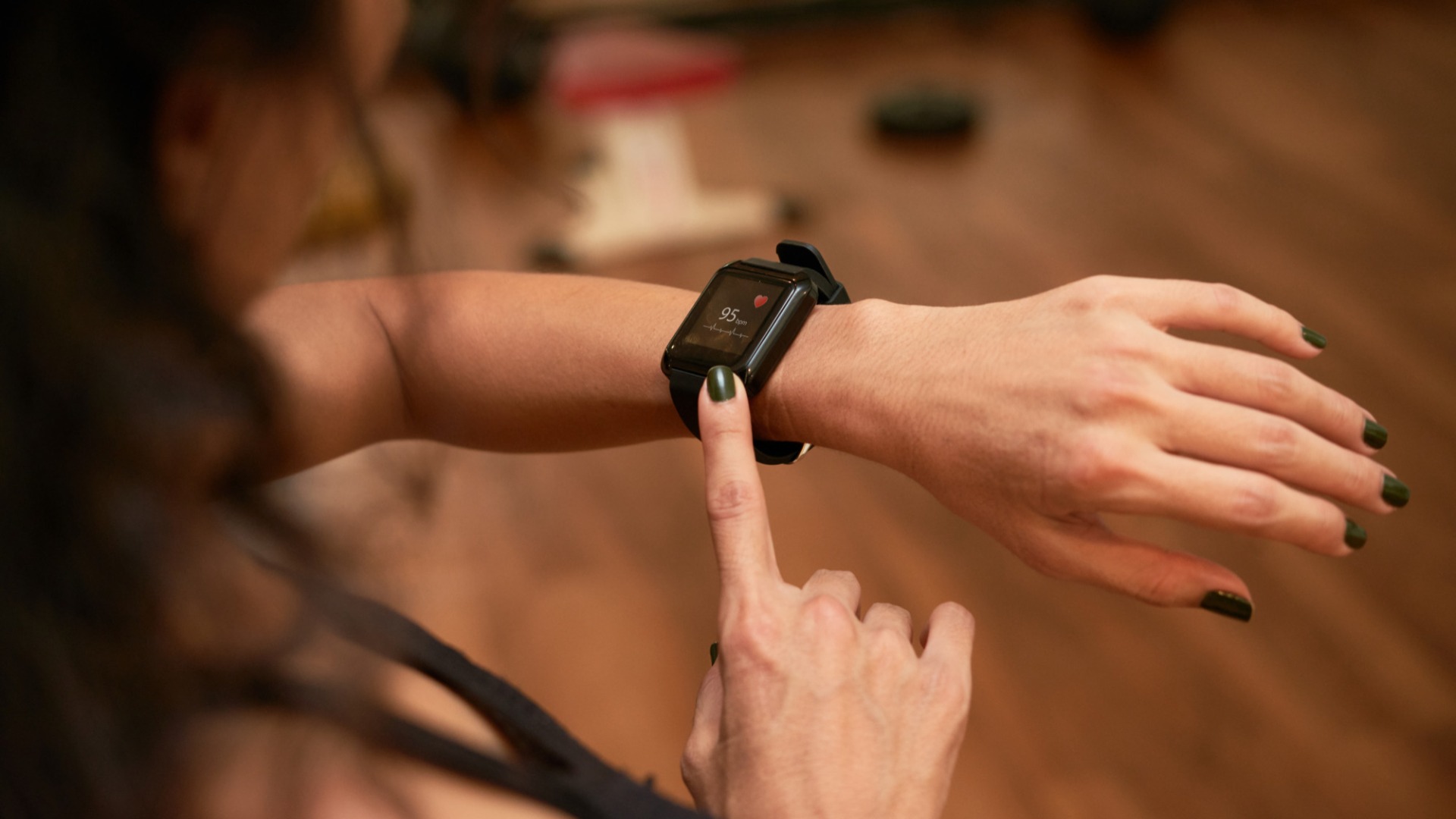
Wearable health technology is undergoing a significant transformation, evolving from simple activity trackers to sophisticated devices capable of providing personalized, predictive health insights. The integration of artificial intelligence (AI) is the driving force behind this revolution, enabling wearables to do much more than just count steps or monitor heart rate. This next frontier in health tech promises to empower individuals worldwide to take a proactive approach to their wellness, potentially preventing illnesses before they manifest.
Modern wearables, now equipped with advanced sensors, can collect a vast array of biometric data, including sleep patterns, skin temperature, blood oxygen levels, and even early indicators of stress or illness. AI algorithms analyze this complex data, identifying subtle deviations from an individual's baseline. This allows for early detection of potential health issues, from the onset of a common cold to more serious conditions like atrial fibrillation, often before symptoms become apparent to the user.
The true power lies in personalization. AI not only detects anomalies but also learns an individual's unique physiological responses, offering tailored recommendations for diet, exercise, and stress management. Imagine a wearable that suggests adjusting your sleep schedule based on your recent activity levels and recovery data, or one that alerts you to potential dehydration based on environmental factors and your historical patterns. This level of personalized guidance moves beyond generic advice to actionable, data-driven insights.
While the potential benefits are immense, the widespread adoption of predictive health wearables also raises important questions about data privacy, security, and the ethical implications of AI in healthcare. Ensuring user data is protected and used responsibly is paramount. As these technologies continue to mature and become more integrated with traditional healthcare systems, they hold the promise of democratizing access to personalized health monitoring and fostering a healthier, more informed global population.