The World Trade Organization (WTO) is intensifying its efforts to address vulnerabilities within global supply chains, a critical issue highlighted by recent geopolitical events and the lasting impact of the pandemic. During its latest ministerial meeting, member states engaged in robust discussions about the urgent need for enhanced resilience and diversification. Key proposals included establishing early warning systems for potential disruptions and facilitating smoother trade flows for essential goods like medical supplies and foodstuffs. The consensus underscored a shift from purely efficiency-driven models to those prioritizing security and sustainability.
Delegates emphasized the importance of multilateral cooperation in identifying choke points and developing contingency plans. Several nations presented case studies illustrating the economic ramifications of supply chain breakdowns, advocating for greater transparency and data sharing among trading partners. The WTO Director-General highlighted that a fragmented approach would only exacerbate future crises, stressing the imperative for a unified global strategy that benefits all members, particularly developing economies that are often most affected by trade shocks.
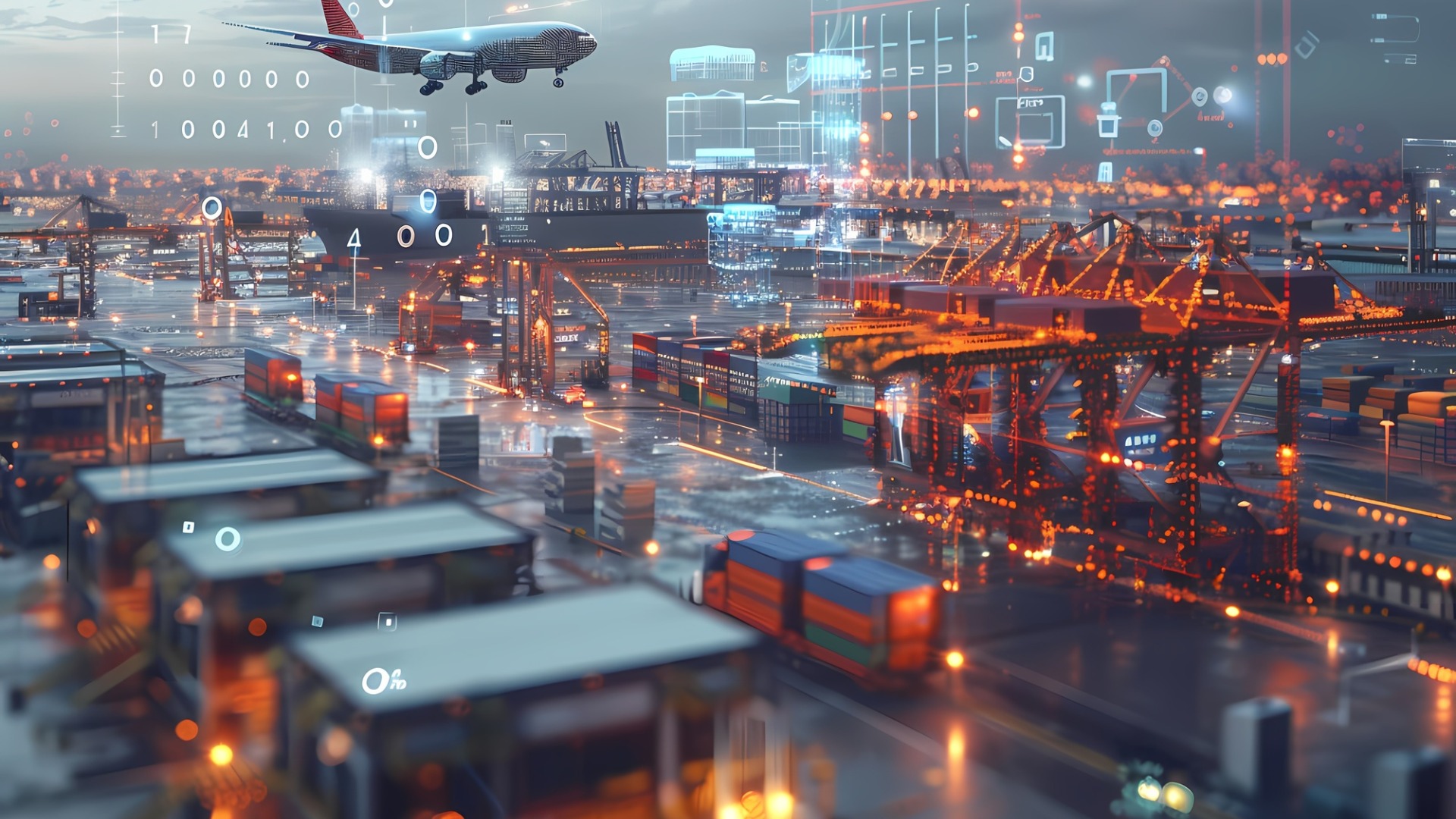
Furthermore, discussions touched upon the role of digital transformation in building more robust supply networks. Investing in smart logistics, blockchain technologies, and AI-driven predictive analytics was identified as crucial for improving visibility and responsiveness. The organization plans to launch a series of technical assistance programs to help developing countries integrate these advanced solutions, thereby strengthening their participation in global trade and reducing their susceptibility to external shocks.
Looking ahead, the WTO will establish a dedicated working group tasked with developing concrete policy recommendations and best practices for supply chain resilience. This group will also explore potential reforms to existing trade rules to better accommodate the dynamic nature of modern global commerce. The goal is to create a more predictable, secure, and inclusive trading environment, ensuring that the global economy can better withstand future challenges and continue to deliver prosperity worldwide.