
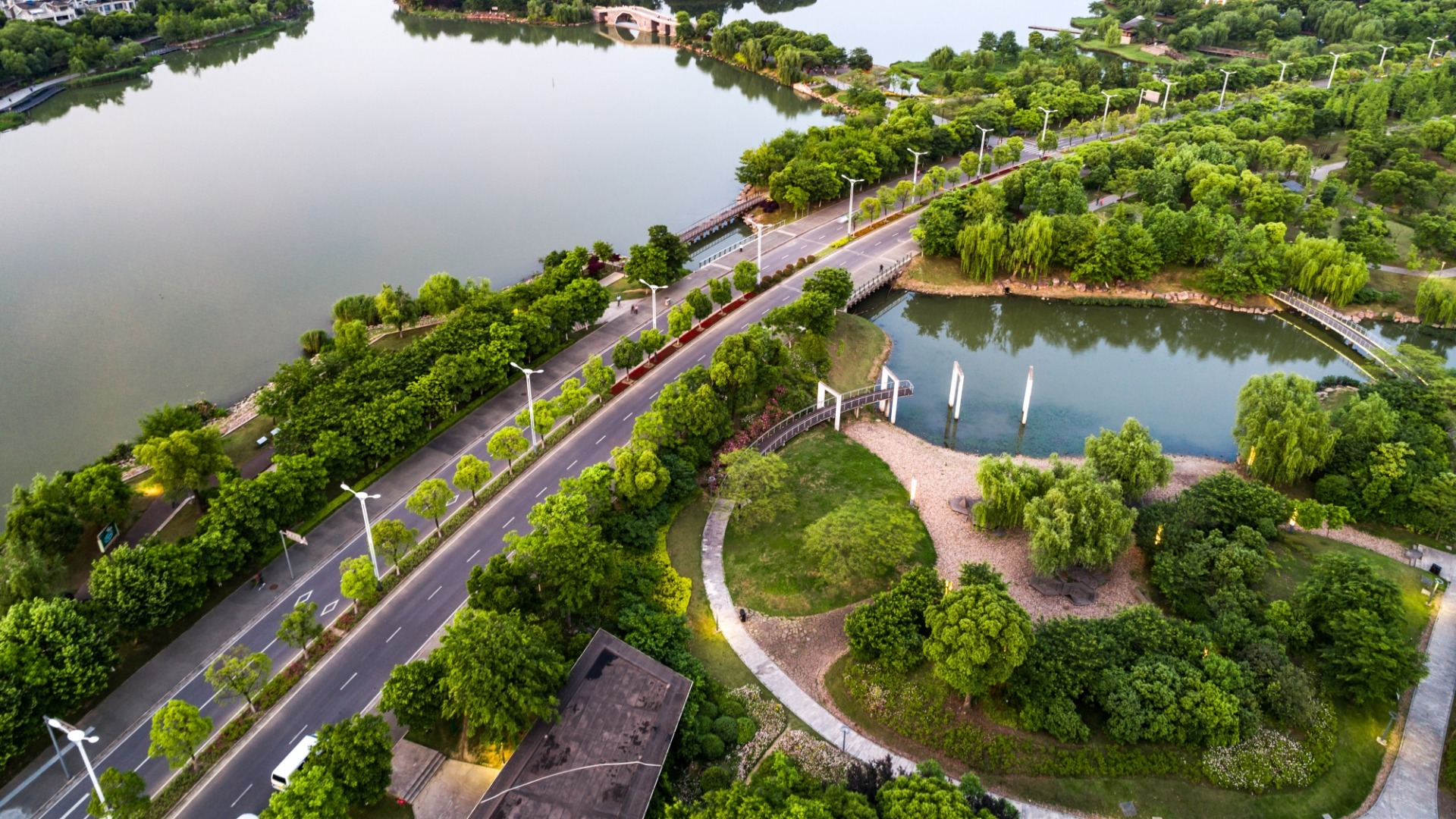
Urban centers across the globe are at the forefront of a profound transformation, moving towards deeply sustainable planning models designed to mitigate environmental impact and enhance the well-being of their inhabitants. From Copenhagen's bike-friendly infrastructure to Singapore's vertical gardens, the movement emphasizes integrating nature into the urban fabric. These pioneering initiatives often include extensive public transport networks, pedestrian-first zones, and mixed-use developments that reduce the reliance on private vehicles, thereby significantly cutting carbon emissions and improving air quality for residents.
The concept of the "15-minute city," where essential services are accessible within a short walk or bike ride, is gaining traction internationally. This approach not only fosters stronger community ties but also dramatically reduces commuting times and energy consumption. Furthermore, the incorporation of smart city technologies, such as intelligent waste management systems and energy-efficient building designs, plays a crucial role in optimizing resource use and operational efficiency, making cities more responsive to their environmental footprint and the evolving needs of their populations.
Green infrastructure, including urban forests, rooftop gardens, and permeable pavements, is becoming a cornerstone of modern urban design. These natural solutions help manage stormwater runoff, reduce urban heat island effects, and provide vital habitats for biodiversity, all while offering aesthetic and recreational benefits to residents. Such nature-based solutions are proving to be cost-effective and highly adaptable, providing multiple co-benefits beyond their primary environmental functions, contributing to overall urban resilience against climate change impacts.
While the challenges of rapid urbanization and resource scarcity remain significant, the global commitment to sustainable urban planning signals a hopeful shift towards more livable, equitable, and environmentally responsible cities. International collaborations and knowledge-sharing among municipalities are accelerating the adoption of best practices, demonstrating that a greener, more sustainable urban future is not just an aspiration but an achievable reality through thoughtful design and collective action.