
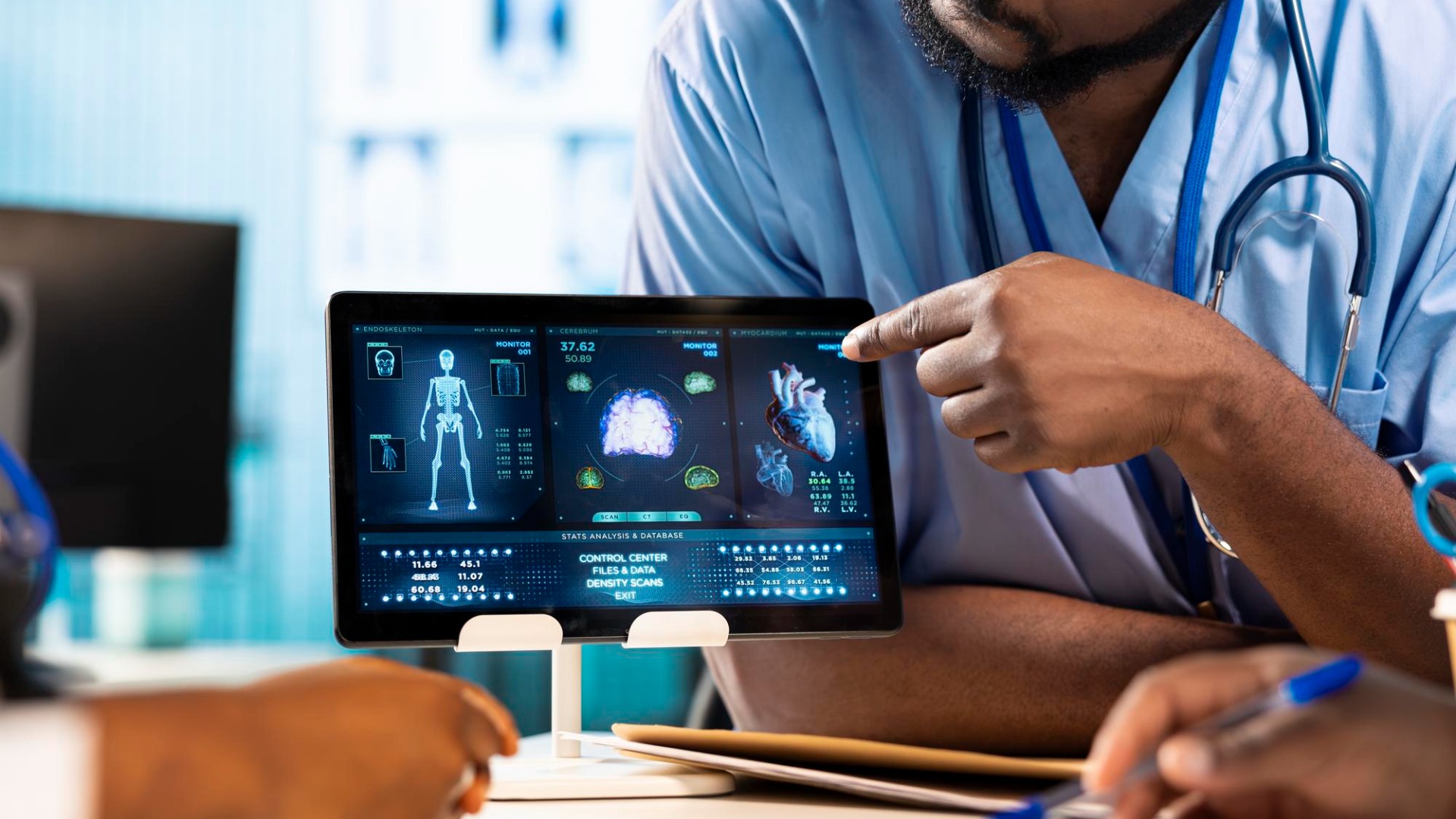
The digital revolution has profoundly impacted nearly every sector, and healthcare is no exception. From remote consultations to smart monitoring devices, technology is rapidly reshaping how individuals access medical care, manage their health, and interact with healthcare providers. This shift, often termed digital health, holds immense promise for improving global health equity and efficiency.
Telemedicine, in particular, has emerged as a game-changer, breaking down geographical barriers to care. Patients in remote areas or those with mobility challenges can now consult with specialists via video calls, reducing travel time and costs. This enhanced accessibility is proving vital in regions with limited healthcare infrastructure, bringing expert medical advice to underserved populations.
Wearable devices and health apps are empowering individuals to take a more active role in their own health management. These tools can track everything from heart rate and sleep patterns to activity levels, providing valuable data that can inform personal health choices and be shared with healthcare providers. This continuous monitoring enables earlier detection of potential issues and more personalized preventative care.
Artificial intelligence (AI) and machine learning are also making significant strides in diagnostics and treatment planning. AI algorithms can analyze vast amounts of medical data to identify patterns, assist in diagnosing diseases more accurately, and even predict patient responses to various treatments. While challenges like data privacy and digital literacy remain, the ongoing integration of digital technologies promises a future where healthcare is more accessible, personalized, and proactive for everyone, everywhere.