
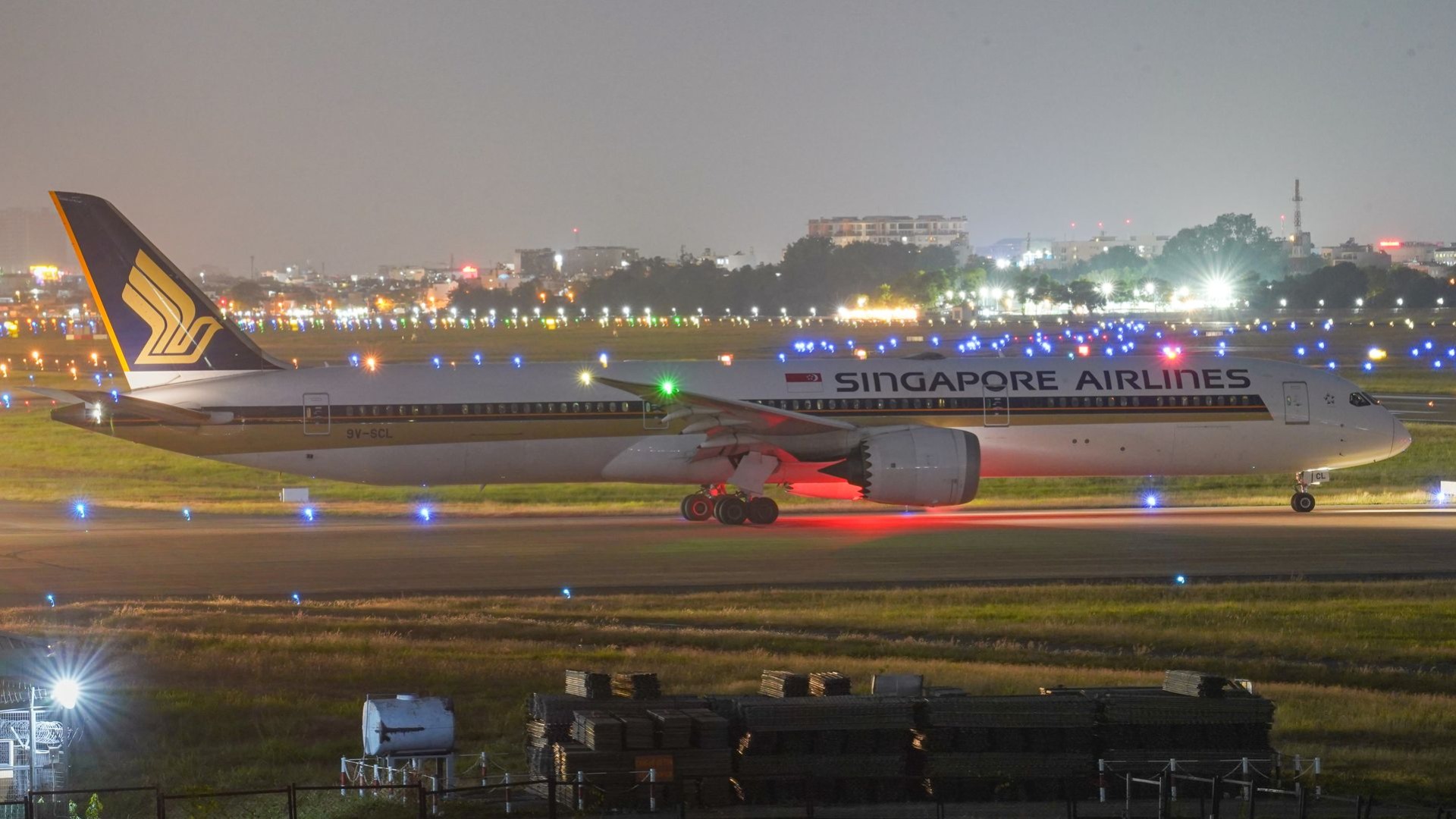
Singapore is reinforcing its status as one of Asia’s premier aviation hubs as airlines continue to expand their international networks and passenger demand remains strong. Increased flight frequencies, new international routes, and growing transit traffic are contributing to a steady recovery in the country’s aviation sector.
As global travel continues to rebound, Singapore’s strategic location and world-class airport infrastructure are helping attract both leisure and business travelers from around the world.
Changi Airport Records Steady Growth in Passenger Traffic
Singapore Changi Airport has experienced a steady increase in passenger traffic over recent months, reflecting the continued recovery of international travel. Airlines have restored many routes that were suspended in previous years while also introducing new services to emerging destinations.
The airport continues to rank among the world's leading aviation hubs, offering seamless connections between Asia, Europe, Oceania, the Middle East, and North America.
Its efficient immigration procedures, extensive retail offerings, and modern passenger facilities remain key reasons why travelers consistently rate Changi Airport among the best globally.
Airlines Continue Expanding International Routes
Several international airlines have announced additional services connecting Singapore with major cities across Asia, Europe, and the Middle East.
The expansion of flight schedules provides travelers with greater flexibility while supporting tourism, trade, and business travel. Regional carriers are also increasing frequencies to neighboring Southeast Asian countries, making Singapore an even stronger gateway for international visitors.
Industry experts believe that continued airline investment reflects growing confidence in long-term travel demand throughout the Asia-Pacific region.
Tourism Industry Benefits from Increased Connectivity
Improved flight connectivity has directly supported Singapore's tourism sector. Hotels, restaurants, shopping districts, and tourist attractions have all benefited from rising visitor numbers.
Popular attractions such as Marina Bay, Gardens by the Bay, Sentosa, and Orchard Road continue to attract international tourists throughout the year.
Business travel has also recovered steadily, supported by international conferences, exhibitions, and corporate events hosted in Singapore.
Tourism authorities continue promoting the country as both a leisure destination and a global business hub, attracting visitors with a combination of modern infrastructure and multicultural experiences.
Aviation Sector Supports Economic Growth
The aviation industry remains an important contributor to Singapore's economy. Beyond tourism, increased passenger traffic supports employment across airlines, airport operations, logistics, retail, hospitality, and transportation services.
Cargo operations have also remained strong, reinforcing Singapore's role as one of Asia's major logistics centers. Efficient air freight services continue supporting regional supply chains and international trade.
Government agencies and aviation partners continue investing in airport infrastructure to accommodate future passenger growth while maintaining high operational standards.
Sustainability Becomes a Priority
As aviation activity increases, Singapore is also placing greater emphasis on environmental sustainability. Airlines operating from Changi Airport are gradually introducing newer, more fuel-efficient aircraft that reduce carbon emissions and improve operational efficiency.
The airport has also expanded initiatives aimed at reducing energy consumption, improving waste management, and increasing the use of sustainable technologies across airport facilities.
Industry leaders acknowledge that balancing aviation growth with environmental responsibility will remain an important challenge over the coming years.
Technology Improves Passenger Experience
Digital innovation continues transforming the airport experience in Singapore. Automated immigration clearance, biometric verification, self-service bag drops, and contactless payment systems have significantly improved passenger convenience.
Travelers can now complete many airport procedures more quickly, reducing waiting times during busy travel periods.
Airlines are also investing in mobile applications that provide real-time flight updates, digital boarding passes, and personalized travel information, creating a smoother journey from departure to arrival.
Outlook Remains Positive
Singapore's aviation industry is expected to maintain its positive momentum as international travel demand continues to strengthen. Continued investments in airport infrastructure, airline partnerships, and digital technology position the country for sustained long-term growth.
With strong global connectivity, efficient operations, and an ongoing commitment to innovation, Singapore is well positioned to remain one of the world's leading aviation and travel hubs.
As more airlines expand their presence and passenger confidence continues to grow, Singapore's role as a gateway to Asia is expected to become even more significant in the years ahead.