
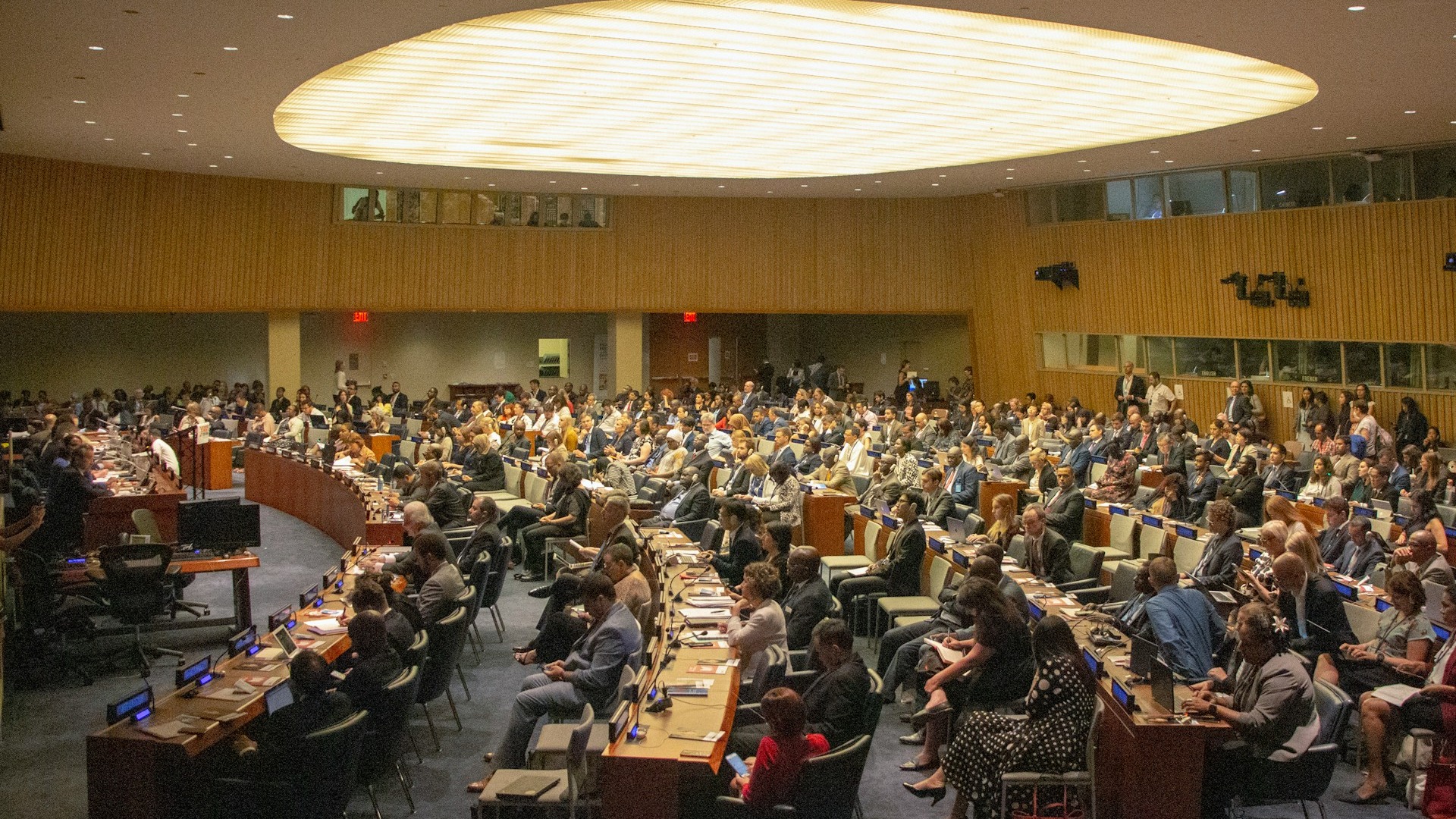
In an era marked by complex geopolitical shifts and interconnected global challenges, multilateral diplomacy is experiencing a resurgence. Major international and regional organizations are stepping up their efforts to facilitate dialogue and collective action on issues ranging from climate change and economic stability to conflict resolution and public health. This renewed emphasis on collaboration reflects a growing recognition that no single nation can effectively tackle these pervasive problems alone, underscoring the indispensable role of shared platforms for discussion and decision-making.
Recent summits and high-level conferences have seen leaders reaffirming their commitment to principles of international law and cooperative governance. Discussions have focused on strengthening existing institutions like the United Nations, the G7, and regional blocs such as the African Union and ASEAN, to make them more agile and responsive to contemporary crises. These forums provide critical avenues for constructive engagement, allowing diverse perspectives to be heard and common ground to be sought, even amidst significant differences in national interests.
The increasing complexity of global issues demands innovative diplomatic approaches. Beyond traditional state-to-state interactions, multilateral diplomacy now often involves a wider array of actors, including non-governmental organizations, academic institutions, and the private sector. This multi-stakeholder model aims to bring diverse expertise and resources to bear on intractable problems, fostering more comprehensive and sustainable solutions. From negotiating trade agreements to coordinating humanitarian aid, the collaborative framework is proving its value.
While challenges persist, including nationalist sentiments and the occasional deadlock in international negotiations, the enduring appeal of multilateralism lies in its promise of shared responsibility and mutual benefit. As global power dynamics continue to evolve, the ability of nations to work together through established and emerging diplomatic channels will be crucial for maintaining peace, promoting prosperity, and addressing the existential threats facing humanity. The current momentum suggests a collective recognition of this imperative.