
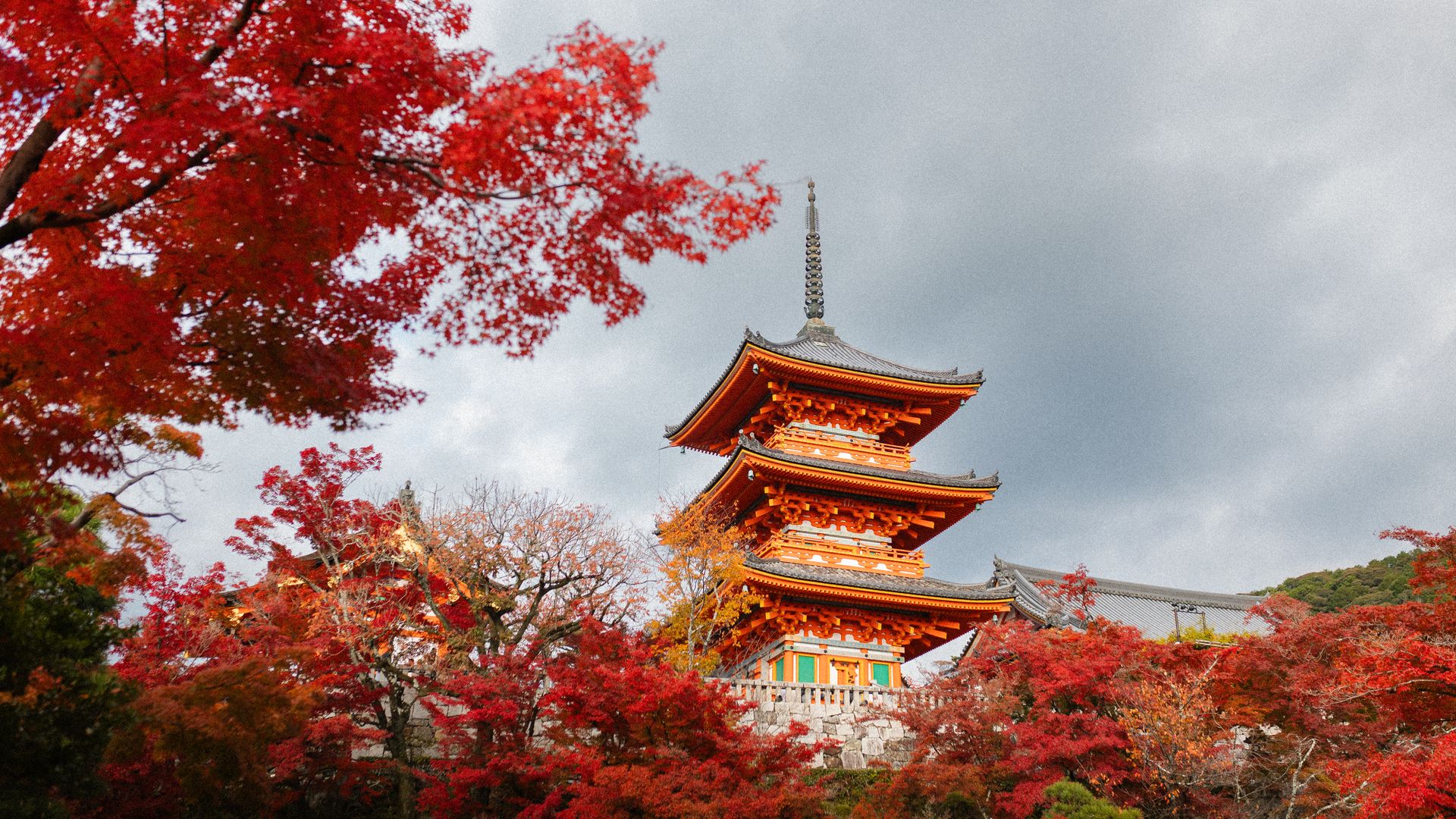
Japan is experiencing a strong resurgence in international tourism, with visitor numbers reaching some of their highest levels in recent years. The country’s combination of cultural heritage, modern cities, seasonal attractions, and improved travel accessibility has made it one of the most sought-after destinations in Asia.
The growth in arrivals is being driven by a mix of factors, including relaxed travel policies, increased airline connectivity, and renewed global interest in East Asian culture. Major cities such as Tokyo, Osaka, and Kyoto continue to attract millions of tourists, while rural regions are also seeing increased attention from travelers seeking more authentic experiences.
Major Cities See Strong Tourist Inflows
Tokyo remains the most visited city in Japan, offering a unique blend of futuristic technology and traditional culture. Tourists are drawn to its shopping districts, historic temples, and world-famous food scene. Areas like Shibuya, Shinjuku, and Asakusa continue to be major highlights for international visitors.
Osaka has also seen a sharp rise in tourism, supported by its reputation as Japan’s food capital. Street food culture, entertainment districts, and nearby attractions such as Universal Studios Japan contribute to its growing popularity.
Kyoto, known for its historic temples, shrines, and traditional tea houses, continues to attract travelers interested in Japan’s cultural heritage. Seasonal attractions, especially cherry blossom viewing in spring and autumn foliage, remain key drivers of tourism demand.
Yen Value and Travel Affordability Attract Visitors
One of the factors contributing to Japan’s tourism boom is the relative affordability for international visitors. Currency fluctuations have made travel, accommodation, and shopping more attractive for tourists from countries with stronger currencies.
This has encouraged longer stays and increased spending, benefiting local businesses such as restaurants, hotels, and retail stores. Many small businesses in tourist-heavy areas have reported strong recovery and increased customer traffic.
Hospitality Industry Expands Capacity
Japan’s hospitality sector has responded to rising demand by expanding hotel capacity and improving services for international guests. Many hotels are upgrading facilities, adding multilingual support, and enhancing digital check-in systems to improve convenience for travelers.
Traditional accommodation options such as ryokans have also become more popular among international tourists seeking cultural immersion experiences. These traditional inns offer tatami rooms, hot spring baths, and traditional Japanese meals, providing a unique alternative to modern hotels.
Transport and Infrastructure Support Growth
Japan’s highly efficient transportation system continues to play a major role in supporting tourism growth. The Shinkansen bullet train network allows visitors to travel quickly between major cities, making multi-city trips more convenient.
Airports across Japan have also improved international connectivity, with increased direct flights from Asia, Europe, and North America. Immigration processes have been streamlined in many locations, reducing waiting times and improving the arrival experience for tourists.
Cultural Tourism and Seasonal Attractions Drive Demand
Cultural tourism remains one of Japan’s strongest attractions. Festivals, traditional performances, and historic sites continue to draw global interest throughout the year.
Seasonal tourism is also a major contributor to visitor growth. Spring cherry blossoms and autumn foliage seasons attract large numbers of tourists, often leading to fully booked hotels in popular destinations months in advance.
Winter tourism in regions such as Hokkaido is also growing, with skiing, snow festivals, and hot spring resorts becoming increasingly popular among international visitors.
Challenges of Overtourism and Local Impact
Despite strong growth, some regions in Japan are facing challenges related to overtourism. Popular destinations have experienced crowding, increased pressure on local infrastructure, and concerns about preserving cultural sites.
Local authorities are exploring measures such as visitor management systems, promotion of lesser-known destinations, and awareness campaigns encouraging responsible tourism.
Balancing tourism growth with preservation of local culture and environment has become an important focus for policymakers and tourism boards.
Outlook for Japan’s Tourism Industry
Japan’s tourism sector is expected to continue growing as global travel demand remains strong. Continued investment in infrastructure, digital services, and regional tourism development is likely to support further expansion.
With its unique combination of tradition, innovation, and natural beauty, Japan remains one of the most attractive destinations in the world. The coming years are expected to bring even more international visitors as the country strengthens its position as a leading global tourism hub.