
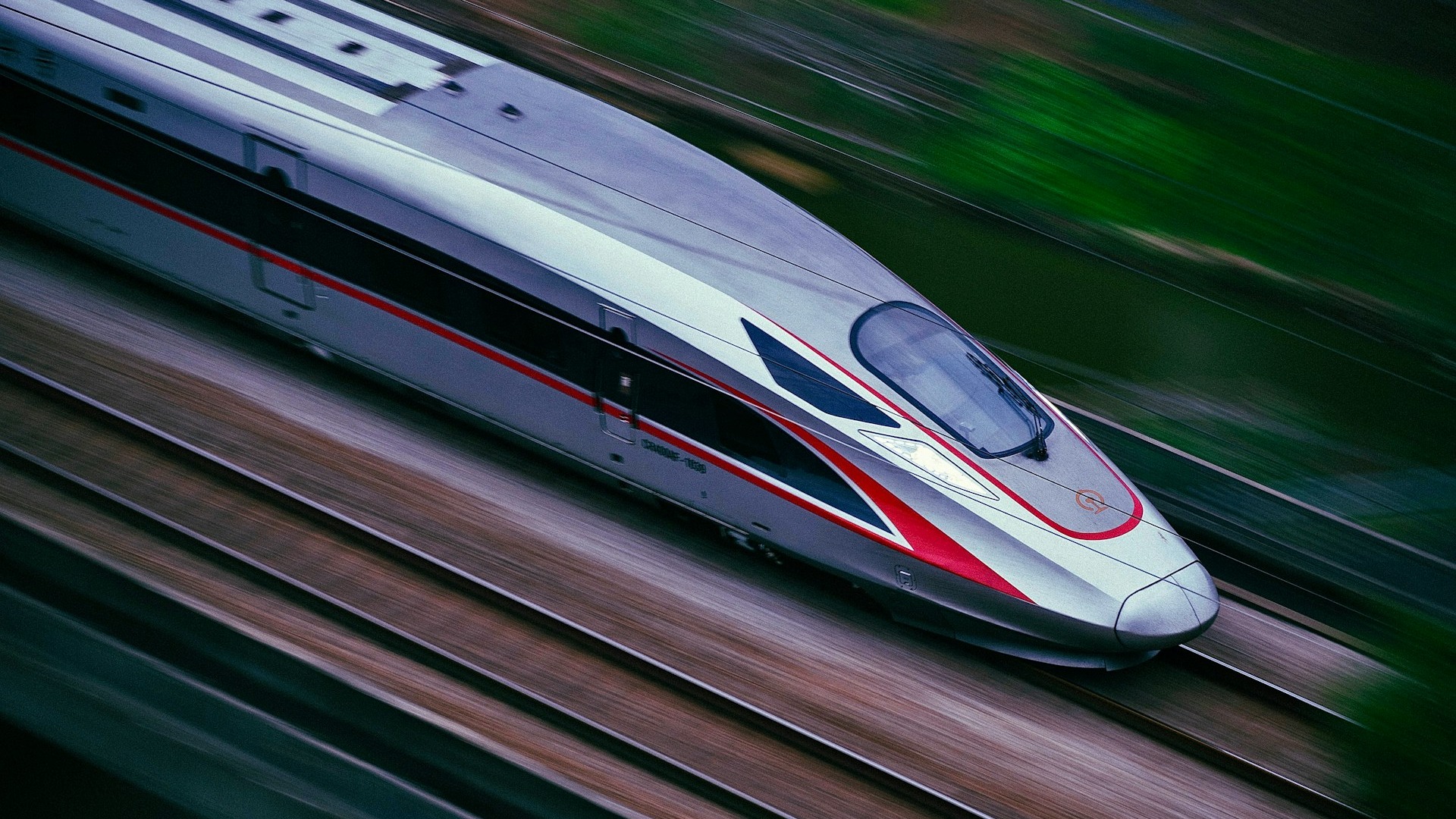
High-speed rail networks are rapidly transforming transportation across Asia, connecting major cities, reducing travel times, and supporting long-term economic development. Governments throughout the region are investing billions of dollars in modern rail infrastructure to improve mobility, reduce road congestion, and encourage more environmentally sustainable forms of transport.
Countries including China, Japan, South Korea, Indonesia, Thailand, Malaysia, and India are either expanding existing high-speed rail systems or developing new routes to meet growing passenger demand. As urban populations continue to increase, high-speed rail has become a central component of national transportation strategies.
China Continues to Lead Global High-Speed Rail Expansion
China remains the global leader in high-speed rail, operating the world's largest network that connects hundreds of cities across the country. Continuous investment in new railway lines has made fast, reliable travel accessible to millions of passengers each year.
The extensive network has significantly reduced travel times between major economic centers, allowing businesses to improve logistics while encouraging domestic tourism. Cities that were once separated by long-distance journeys can now be reached within just a few hours.
Chinese railway authorities continue expanding the network into developing regions, supporting regional economic growth and improving access to employment, education, and healthcare.
Japan Maintains Its Reputation for Speed and Reliability
Japan's famous Shinkansen, often known as the bullet train, remains one of the world's most reliable and efficient high-speed rail systems. Since its introduction, the network has become an international benchmark for safety, punctuality, and passenger comfort.
The country's railway operators continue investing in upgraded train technology, station improvements, and next-generation rail systems capable of even higher operating speeds.
The Shinkansen also plays a vital role in supporting tourism by allowing visitors to travel efficiently between major destinations such as Tokyo, Kyoto, Osaka, and Hiroshima.
Southeast Asia Accelerates Rail Development
Several Southeast Asian nations are making significant progress in expanding modern railway infrastructure.
Indonesia has introduced its first high-speed railway, improving travel between key economic regions and demonstrating the country's commitment to modern transportation.
Thailand continues advancing plans for additional high-speed connections that will link major cities while improving regional trade and tourism.
Malaysia and Singapore have also explored future cross-border rail cooperation, while Vietnam is evaluating long-term proposals aimed at strengthening nationwide transportation networks.
These projects are expected to improve regional connectivity and support economic integration across Southeast Asia.
Economic Benefits Extend Beyond Transportation
High-speed rail projects generate benefits that extend well beyond faster travel.
Construction activities create thousands of jobs, while improved transportation links encourage business investment, tourism, and commercial development around railway stations.
Property values often increase near major rail hubs as businesses, hotels, shopping centers, and residential developments expand to serve growing passenger traffic.
Economists believe efficient transportation infrastructure plays an important role in improving productivity by reducing travel costs and supporting labor mobility.
Environmental Advantages Support Sustainability Goals
Many Asian governments view high-speed rail as an important tool for reducing carbon emissions and supporting national climate goals.
Electric-powered trains generally produce fewer greenhouse gas emissions per passenger compared to private vehicles and short-haul domestic flights.
Encouraging more people to travel by rail can also reduce highway congestion, improve urban air quality, and lower overall fuel consumption.
As countries continue pursuing cleaner transportation solutions, investment in rail infrastructure is expected to remain a priority.
Technology Improves Passenger Experience
Modern high-speed rail systems increasingly incorporate advanced technologies to improve efficiency and passenger convenience.
Digital ticketing, mobile applications, facial recognition at selected stations, real-time journey updates, and automated train control systems help streamline travel while maintaining high safety standards.
New train designs also emphasize passenger comfort through quieter cabins, improved seating, onboard Wi-Fi, and enhanced accessibility for travelers with disabilities.
Technology continues to play an essential role in increasing operational efficiency while improving the overall travel experience.
Challenges Remain for Large-Scale Projects
Despite strong progress, high-speed rail development presents several challenges.
Large infrastructure projects require significant financial investment, long construction timelines, and careful environmental planning. Land acquisition, engineering complexity, and long-term maintenance also remain important considerations.
Governments must balance infrastructure spending with economic priorities while ensuring projects remain financially sustainable over the long term.
International cooperation, public-private partnerships, and technological innovation are expected to help address many of these challenges.
Outlook for High-Speed Rail in Asia
The future of high-speed rail in Asia remains highly promising as governments continue investing in modern transportation infrastructure.
Expanding railway networks are expected to improve regional connectivity, strengthen trade, support tourism, and contribute to more sustainable urban development.
As new routes become operational and technology continues advancing, high-speed rail is likely to play an even greater role in shaping the future of transportation across Asia, offering faster, cleaner, and more efficient travel for millions of passengers each year.