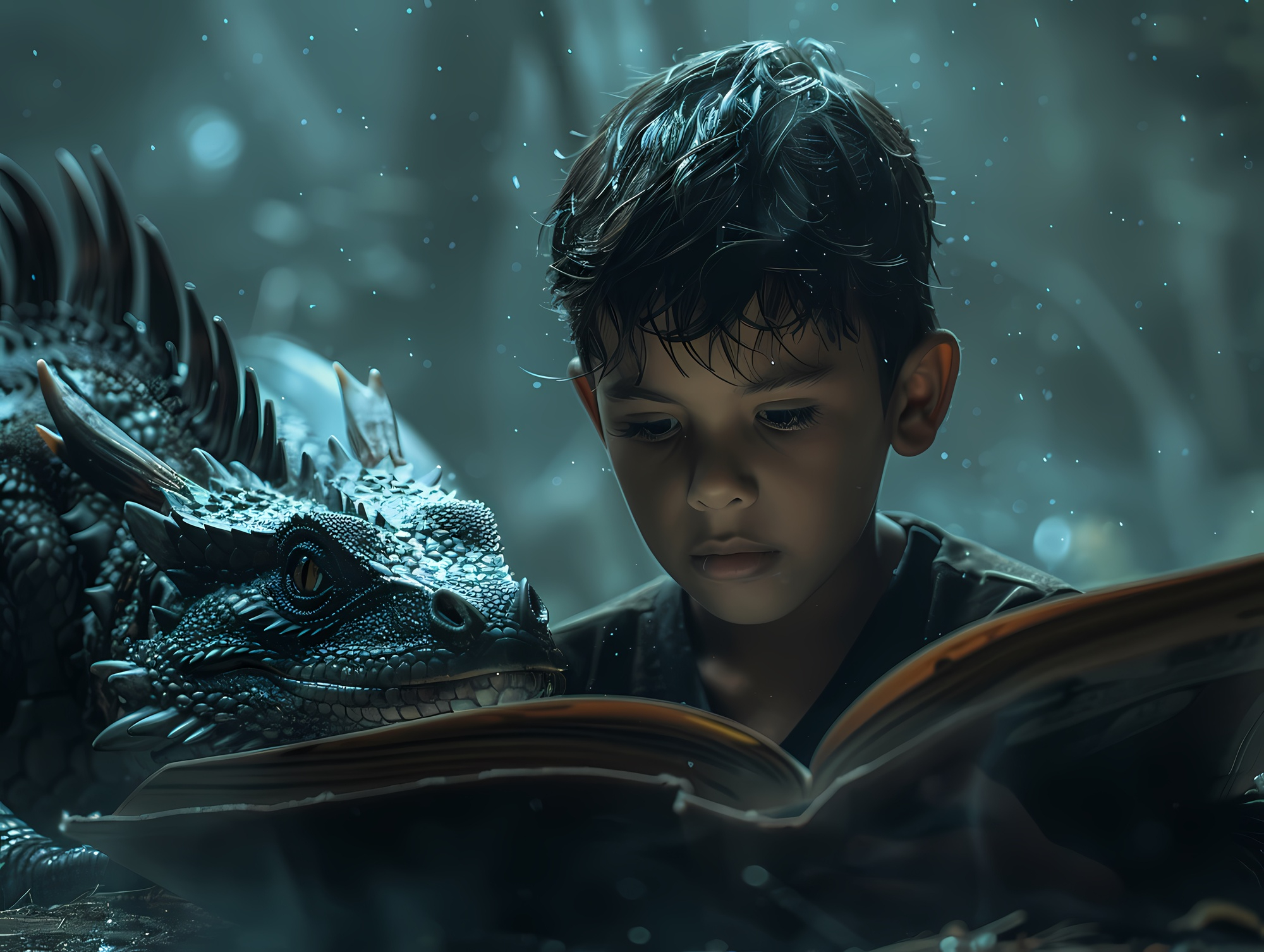
Bringing a beloved book to the big screen is always a daunting task, fraught with challenges and immense expectations from a passionate fanbase. Elara Vance's "The Astral Key," a global fantasy bestseller renowned for its intricate world-building, complex magic system, and deeply philosophical themes, is no exception. The journey of adapting this literary behemoth into a film has been a multi-year endeavor, involving countless creative decisions, casting dilemmas, and the delicate balance of honoring the source material while also creating a compelling cinematic experience for both new and existing audiences.
One of the primary triumphs of this adaptation lies in its casting. The film boasts an international ensemble that perfectly embodies Vance's characters, bringing them to life with nuance and conviction. The visual effects team has also achieved a remarkable feat, translating the novel's fantastical landscapes and magical sequences with breathtaking fidelity, avoiding the pitfalls of digital overload. However, the adaptation wasn't without its controversies, particularly regarding certain plot compressions and character interpretations that sparked debate among purist fans. The filmmakers had to make tough choices to fit a sprawling narrative into a concise cinematic format.
Ultimately, "The Astral Key" film stands as a testament to the power of storytelling across different mediums. While no adaptation can ever perfectly replicate the experience of reading a book, this production manages to capture the essence and spirit of Vance's original vision, making it accessible to a wider global audience. Its success or perceived shortcomings will undoubtedly fuel discussions about the art of adaptation for years to come, offering valuable lessons for future projects. For fans of the novel and newcomers alike, it’s an opportunity to experience a cherished story in a new, visually stunning light, proving that the magic of 'The Astral Key' transcends the pages.