
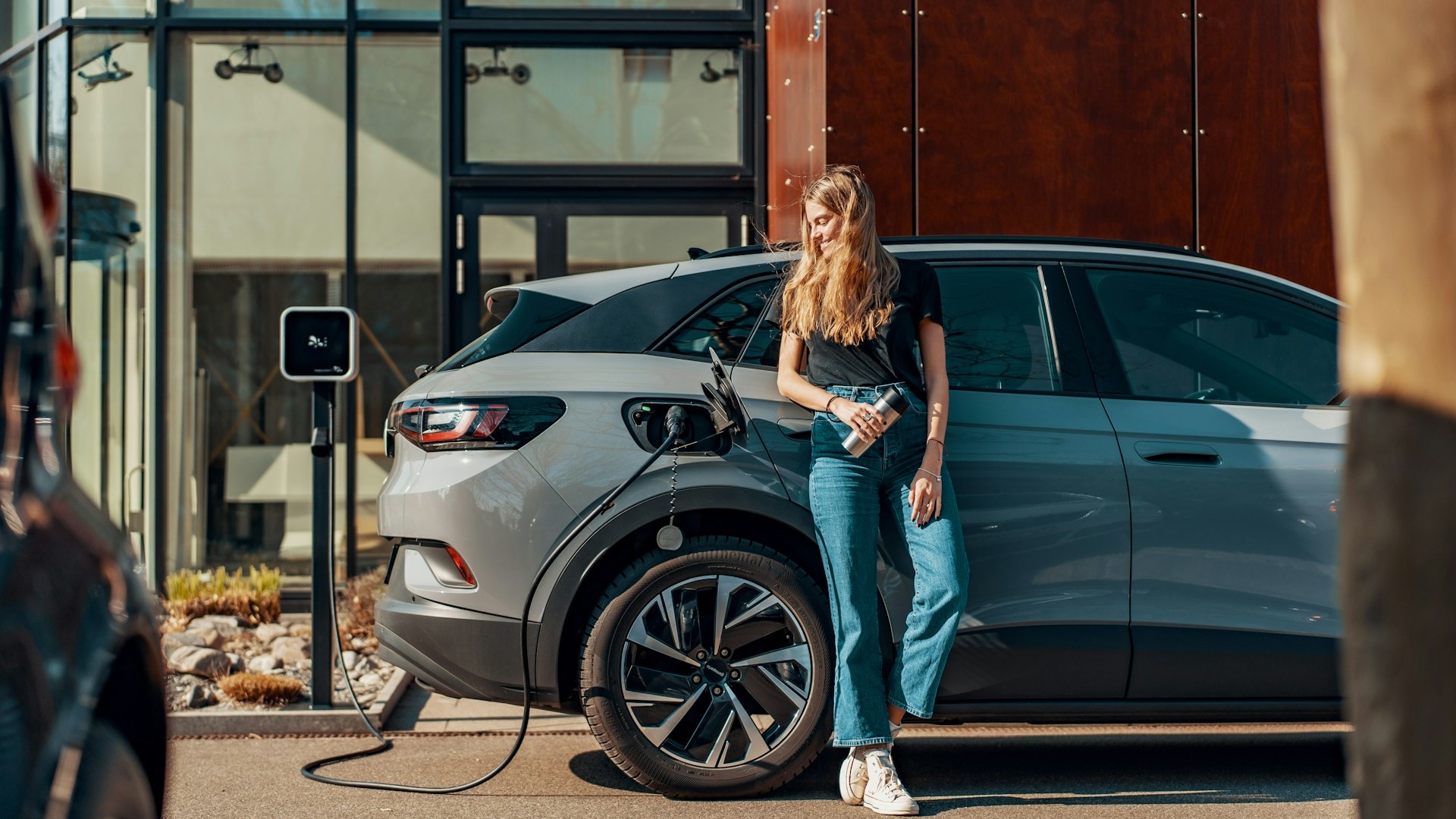
The electric vehicle (EV) market across Asia continues to gain momentum as governments introduce new incentives, manufacturers expand production, and consumers increasingly embrace cleaner transportation options. From China and South Korea to Thailand, Indonesia, Singapore, and Japan, the region is witnessing significant growth in EV adoption, supported by investments in charging infrastructure and battery technology.
Industry analysts say Asia has become the world's largest and fastest-growing electric vehicle market, with both domestic and international automakers competing to meet rising demand. As environmental concerns and fuel costs influence purchasing decisions, electric mobility is becoming an increasingly important part of national transportation strategies.
Government Incentives Encourage EV Adoption
Governments across Asia are introducing policies designed to accelerate the transition from traditional gasoline-powered vehicles to electric models.
These measures include purchase subsidies, tax reductions, lower registration fees, and financial incentives for businesses investing in electric fleets. Several countries are also providing support for manufacturers building EV production facilities and battery plants.
Officials believe these policies will help reduce greenhouse gas emissions while strengthening local automotive industries and creating new employment opportunities.
Many governments have also announced long-term targets to increase the percentage of electric vehicles on the road over the next decade.
Automakers Expand Electric Vehicle Production
Major global and regional automobile manufacturers continue investing heavily in electric vehicle production across Asia.
New factories are being established to manufacture electric cars, batteries, and critical vehicle components closer to growing consumer markets. This expansion helps reduce supply chain costs while increasing production capacity.
Competition among manufacturers has also resulted in a wider range of electric vehicles, from compact city cars and family SUVs to commercial vans and luxury models.
Industry experts expect continued investment as automakers prepare for growing demand in both domestic and export markets.
Charging Infrastructure Grows Rapidly
One of the key drivers of electric vehicle adoption is the rapid expansion of charging infrastructure.
Governments and private companies are installing public charging stations in cities, residential neighborhoods, shopping centers, office buildings, and along major highways. Fast-charging technology is also becoming more widely available, allowing drivers to recharge vehicles in significantly less time.
The increasing availability of charging facilities is helping reduce concerns about driving range and making electric vehicles more practical for everyday use.
Several countries are also encouraging businesses and residential developers to include EV charging facilities in new construction projects.
Battery Technology Continues to Improve
Advances in battery technology are making electric vehicles more efficient, affordable, and reliable.
Manufacturers are developing batteries with longer driving ranges, faster charging capabilities, and improved durability. Research into next-generation battery materials is also expected to reduce production costs while improving overall vehicle performance.
Asia remains a global leader in battery manufacturing, with several countries investing in research, production, and supply chains for critical battery materials.
These technological improvements are expected to play a major role in accelerating global EV adoption.
Consumer Interest Continues to Increase
Consumers across Asia are showing growing interest in electric vehicles as awareness of environmental issues and long-term operating costs continues to rise.
Many buyers are attracted by lower maintenance requirements, reduced fuel expenses, and quieter driving experiences. Improved vehicle performance and expanded model availability have also contributed to stronger market demand.
Fleet operators, ride-hailing companies, and logistics businesses are increasingly incorporating electric vehicles into their operations as part of broader sustainability strategies.
Automotive analysts believe consumer confidence will continue improving as charging networks expand and vehicle prices become more competitive.
Challenges Remain for the Industry
Despite strong growth, the electric vehicle sector still faces several challenges.
Charging infrastructure remains uneven in some rural areas, while battery production depends on stable supplies of critical minerals such as lithium, nickel, and cobalt.
Manufacturers must also balance growing demand with production capacity and evolving environmental regulations.
Industry leaders continue investing in recycling technologies and alternative battery materials to improve long-term sustainability and reduce dependence on limited natural resources.
Outlook for Asia's Electric Vehicle Market
The outlook for Asia's electric vehicle industry remains highly positive as governments, manufacturers, and consumers continue supporting the transition toward cleaner transportation.
Continued investment in battery technology, charging infrastructure, and local manufacturing is expected to strengthen the region's leadership in the global EV market.
As innovation accelerates and production costs gradually decline, electric vehicles are likely to become an increasingly common choice for households and businesses across Asia, supporting both economic growth and environmental sustainability in the years ahead.