
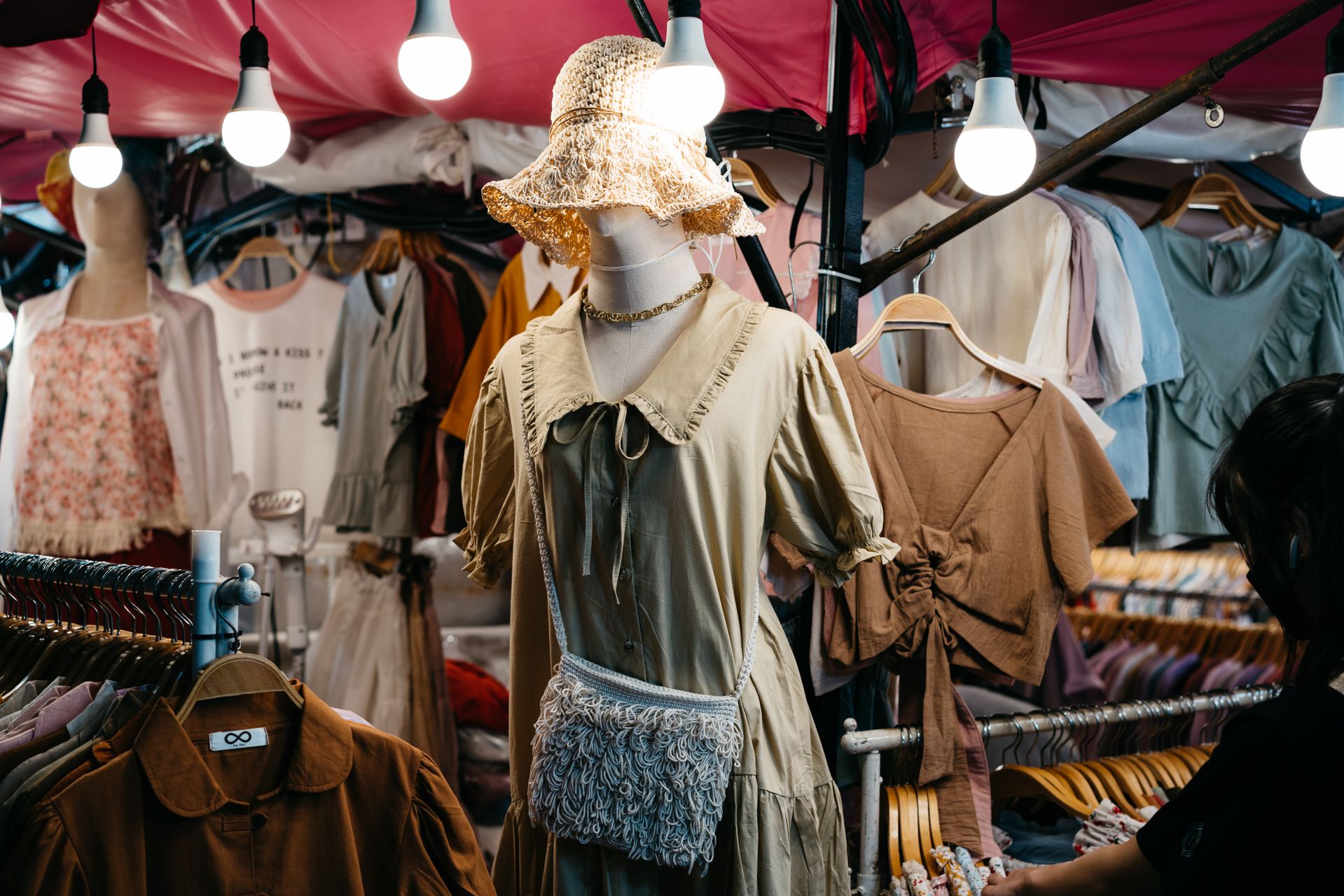
The fashion industry, while glamorous, is one of the world's largest polluters and often relies on exploitative labor practices. However, a growing movement towards ethical and sustainable fashion offers a refreshing alternative, allowing consumers to make conscious choices that reflect their values. Building an ethical wardrobe means considering the entire lifecycle of your clothing – from raw material sourcing and manufacturing to how it's cared for and eventually disposed of. It’s about quality over quantity, transparency, and respect for both people and the planet.
The first step in curating a more ethical wardrobe is to educate yourself. Research brands and look for certifications that indicate fair labor practices, organic materials, or sustainable production methods. Labels like Fair Trade, GOTS (Global Organic Textile Standard), and B Corp can guide your choices. Prioritize natural, organic, or recycled fabrics such as organic cotton, hemp, linen, Tencel, and recycled polyester. Avoid fast fashion retailers that produce high volumes of cheaply made garments, as their business model often contributes to waste and poor working conditions.
Beyond purchasing from ethical brands, adopt practices that extend the life of your existing clothes. Learn basic mending skills to repair minor damage, preventing items from being discarded prematurely. Wash clothes less frequently and at lower temperatures to conserve energy and reduce wear and tear on fabrics. Air-drying instead of machine-drying is another simple yet effective way to prolong garment life and reduce your carbon footprint. Proper storage, like folding knitwear to prevent stretching, also plays a crucial role.
Finally, consider the "three Rs" of sustainability: Reduce, Reuse, Recycle. Reduce your consumption by buying only what you truly need and will wear often. Reuse by shopping second-hand at thrift stores, vintage shops, or online marketplaces, giving clothes a new life. When garments are truly beyond repair or donation, explore textile recycling options in your community to ensure they don't end up in landfills. Building an ethical wardrobe is a journey, not a destination, fostering a more mindful and impactful relationship with your clothing choices.