
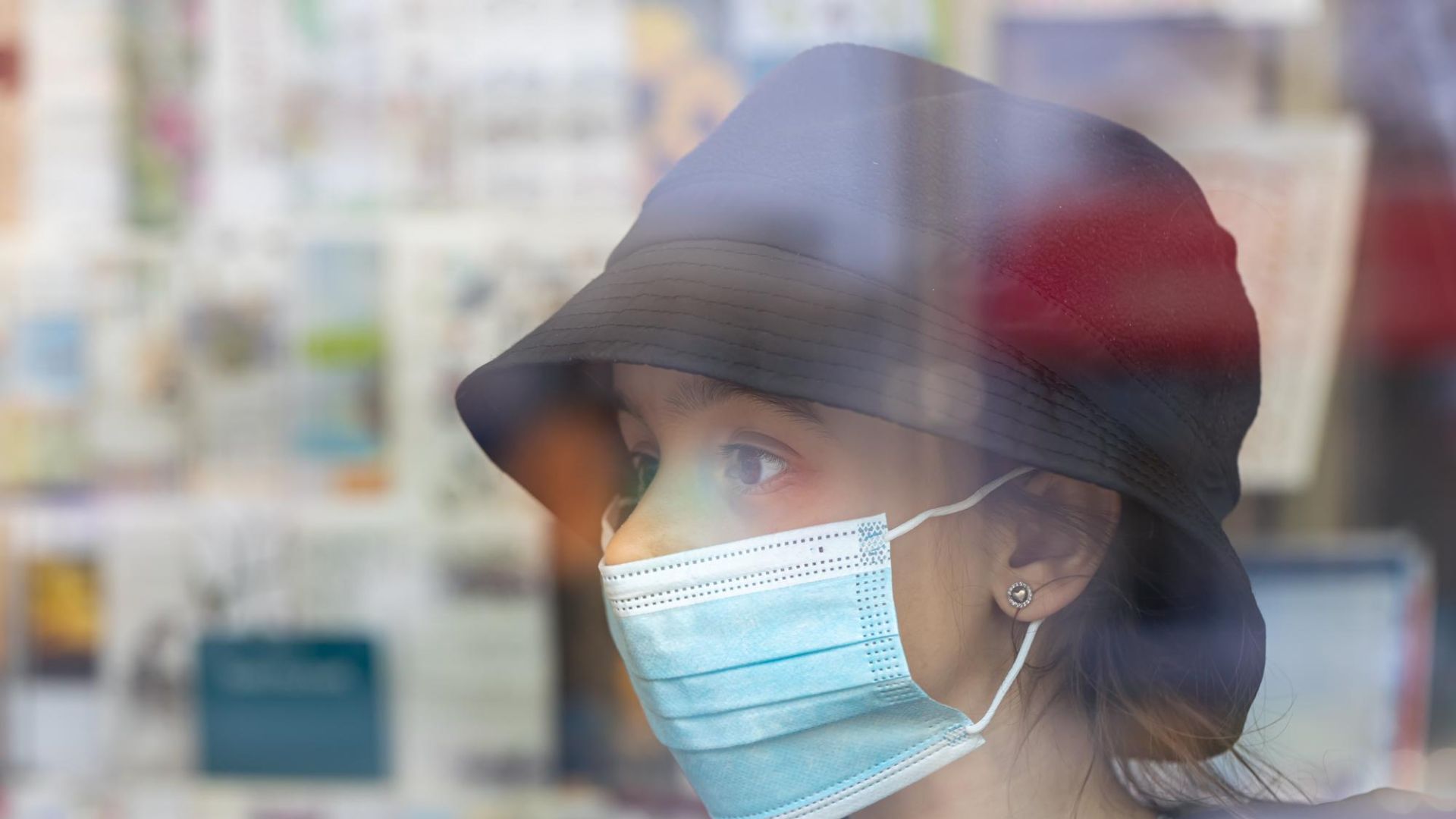
The devastating impact of recent global health crises has served as a stark reminder of humanity's interconnectedness and the critical need for robust international health security. In response, nations worldwide are actively engaged in strengthening global health frameworks, moving beyond reactive measures to proactive strategies for pandemic preparedness. This concerted effort involves a comprehensive overhaul of existing systems, focusing on resilience, speed, and equitable access to resources.
Central to these initiatives is the development of advanced early warning systems capable of detecting novel pathogens swiftly and accurately. International collaborations are investing in enhanced genomic sequencing capabilities, real-time data sharing platforms, and cross-border surveillance networks to ensure that emerging threats are identified before they escalate into widespread outbreaks. The World Health Organization (WHO) is playing a pivotal role in coordinating these efforts, advocating for standardized protocols and fostering greater transparency among member states regarding health data.
Another critical area of focus is ensuring vaccine and therapeutic equity. The pandemic exposed significant disparities in access to life-saving medical interventions, highlighting the need for global mechanisms that guarantee fair distribution, particularly to low-income countries. Discussions are ongoing to establish international agreements for rapid research and development, diversified manufacturing capabilities, and transparent procurement processes. The aim is to prevent a repeat of 'vaccine nationalism' and ensure that no nation is left behind in the face of a global health emergency.
Beyond immediate crisis response, efforts are also directed at strengthening fundamental public health infrastructure in all countries. This includes investing in healthcare workforces, improving laboratory capacities, and enhancing community-level preparedness. The collective understanding is that global health security is only as strong as its weakest link. By fostering a truly collaborative and equitable approach, the international community hopes to build a more resilient defense against future pandemics, safeguarding lives and livelihoods across the globe.