
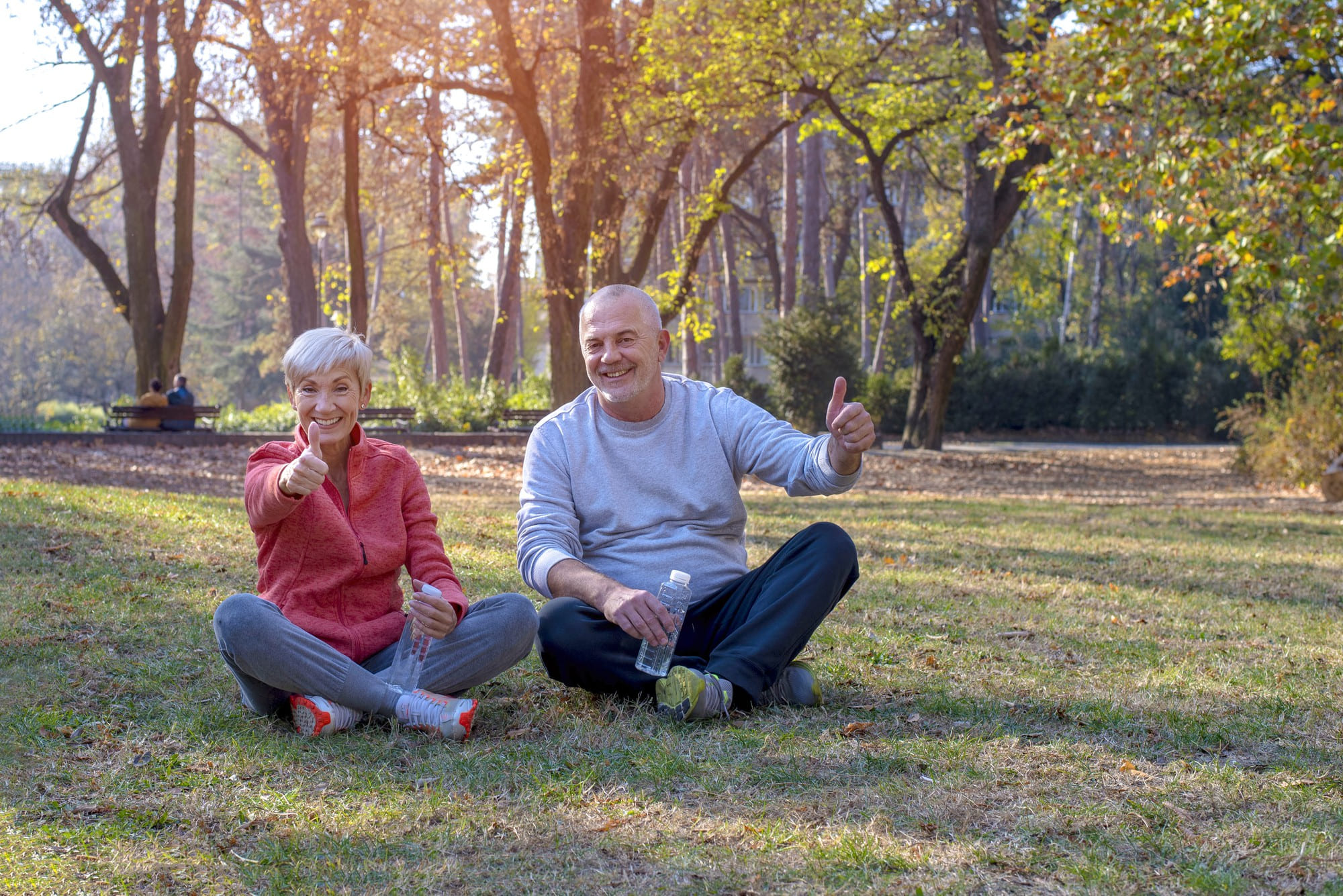
The global population is aging, making healthy aging a critical focus for individuals and societies alike. Aging gracefully is not about defying the natural process, but about adopting strategies that maintain physical vitality, cognitive sharpness, and emotional well-being, allowing individuals to live fulfilling and independent lives well into their later years. It's a proactive approach to embracing longevity.
Physical activity remains paramount. Regular exercise, adapted to individual capabilities, strengthens muscles and bones, improves balance and flexibility, and enhances cardiovascular health. Activities like walking, swimming, yoga, or strength training can significantly reduce the risk of falls, maintain mobility, and improve overall energy levels, contributing to a better quality of life.
Cognitive engagement is equally vital. Keeping the brain active through learning new skills, reading, puzzles, or engaging in stimulating conversations helps maintain cognitive function and may reduce the risk of cognitive decline. Social connection also plays a crucial role, combating loneliness and isolation, which are significant risk factors for both mental and physical health issues in older adults.
Nutrition tailored to the needs of older adults is another cornerstone. A diet rich in whole foods, lean proteins, and healthy fats supports cellular health and provides essential nutrients often lacking in standard diets. Hydration is also key. By combining these holistic strategies—physical activity, mental stimulation, social engagement, and balanced nutrition—individuals can foster greater resilience, maintain their independence, and enjoy a vibrant, purposeful life as they age, contributing to a healthier global community.